
Too often, medical research can seem impersonal and one-sided. Scientists arrive in a community, collect data, and leave as suddenly as they came. This is sometimes called “helicopter research,” and it can leave participants feeling used and unheard.
The New Mexico Alzheimer’s Disease Research Center (NM ADRC) believes research starts with a much simpler idea: Being a good neighbor.
Our mission is to find better ways to detect, treat and prevent Alzheimer’s disease and related dementias. By participating in clinical research, patients and families become our partners in a national effort to understand how the brain works. Participants also get deeper insights into their ongoing brain health through the NM ADRC than they typically could in a community clinic.
The NM ADRC’s Outreach, Recruitment, and Engagement Core (OREC) is dedicated to building a “deep fund of good will”. That means we show up to give, help and listen long before we ever ask someone to volunteer for a study.
Collaboration and Consistency Build Trust
In New Mexico, Hispanic, Latino, and Indigenous communities have a history of distrust toward academic and medical institutions. Many interactions with researchers have been one-sided.
To change this, the OREC focuses on “intentional bidirectional engagement.” In other words, we want to build a two-way street. We don’t just want to talk; we want to listen.
OREC works closely with advisory boards that include Tribal leaders, local community members, and caregivers who tell us what their families and communities need. In turn, we develop supports that address these concerns.
By walking the walk as a consistent presence in these communities, we demonstrate that we’re not just here for data—we’re here to help people.
Related: Read “New Mexico’s Communities Are Central to Alzheimer’s Disease Research in the U.S.
‘Give First’ Services
Among our goals is to create “dementia-informed” communities. This means making sure everyone from doctors to neighbors has the information they need to support those living with dementia.
OREC provides a wide range of free services across New Mexico to help families navigate Alzheimer’s disease care. A few of our “give first” activities include:
- Caregiver workshops: These full-day Saturday workshops cover the stages of caregiving. We provide free, on-site respite care for loved ones and offer some sessions entirely in Spanish.
- Community grants: These special funds are set aside to support local needs, such as food pantries or programs to help seniors stay active.
- Health screenings: Free hearing and cognitive screenings can help families understand their own health without joining a study.
- Listening sessions: Traveling to the Four Corners region and to Pueblos and other tribal communities throughout the state enables us to hear directly from community members about their specific challenges.
- Provider education: We provide tools for primary care doctors and other providers across New Mexico to learn about conducting basic memory testing and helping patients manage all phases of dementia so they can get care closer to home.
- Support groups: These creative group activities include a writing support group for caregivers and a community choir for people with dementia and their families.
Reaching Out as a Good Neighbor
Many New Mexico families live far from a major hospital. To bridge this gap, we hire Community Health Workers who live and work in their own communities. These experts provide local training sessions and provide transportation for health appointments.
An important part of our work is respecting the traditions and rules of our tribal neighbors. For example, we adapt our research process to follow tribal laws. This can include storing blood samples locally to honor the community’s wishes rather than sending them to a national database.
When we treat people like guests in our home, offering respect, a cup of coffee, and a warm welcome, something wonderful happens. We call it being a good neighbor. When one person has a great experience, they start to bring their sisters, children, and other neighbors along. With these relationships, we can support community health while gathering important information about Alzheimer’s disease.
Related: Read: "The Power of Telemedicine: Bringing Neurological Expertise to All of New Mexico"
‘Soft Skills’ for Trainees
Students who work with the NM ADRC are exceptional, well-prepared trainees. Yet if they can’t communicate with a patient, knowing every fact in a medical textbook isn’t sufficient.
The “soft skills” of listening, adapting to a patient’s comfort level and respecting their cultural background are important to providing compassionate, patient-centered care. Working with the NM ADRC and OREC helps trainees develop these critical skills.
By training the next generation of researchers to value community engagement, we can help stop the cycle of distrust and improve health for all our neighbors.
Related: Read: "Research Experience Changes Perspectives and Improves Medical Education"
Support for Future Patients and Caregivers
Our goal is to expand these models of community support. One way we’ll do that is by sharing our session plans and tools. This can help communities across the state can build their own programs and lay a dementia-informed foundation for better care.
If you’re hesitant about getting involved in research, the OREC has one simple message: We are a resource for you.
Even if you never participate in a study, we’re still here to help you find a support group, workshop, or a doctor who understands the care your family needs.
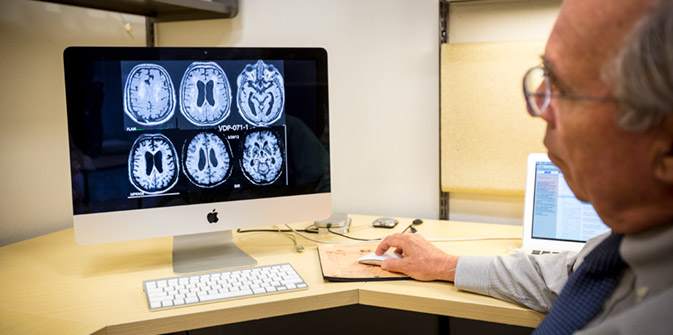
We invite you to visit us. Take a tour. Check out our MRI machines and clinics for yourself and meet our friendly staff. There’s no magic behind a curtain here—just a team of people who want to support patients and caregivers throughout New Mexico.